

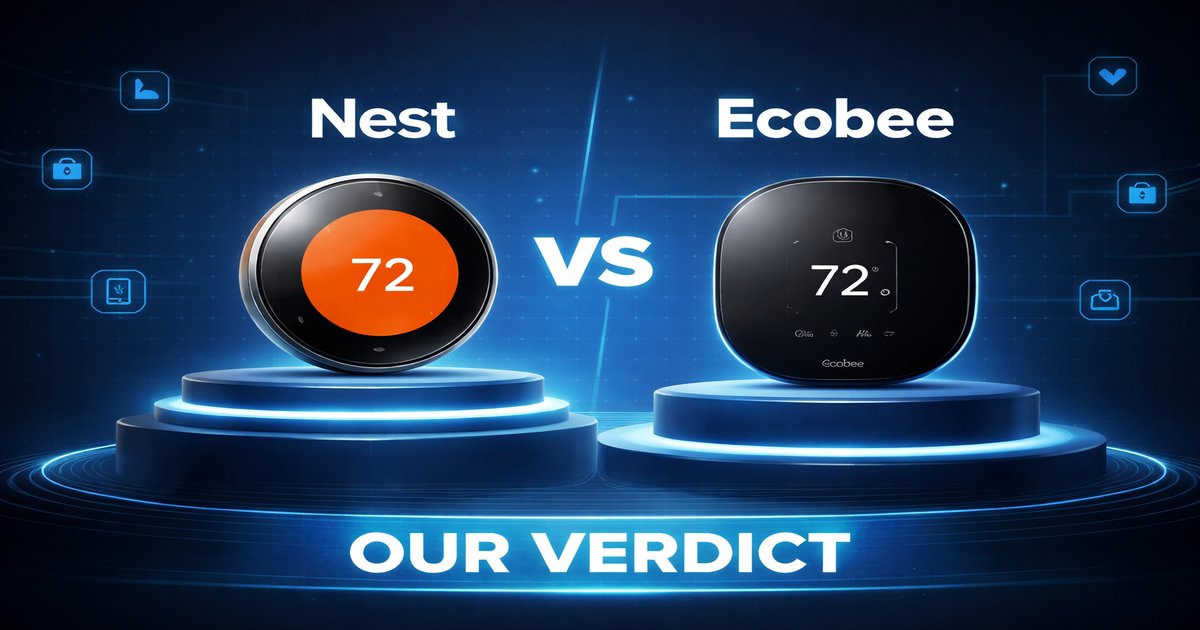
You finally decided to upgrade your home’s thermostat, but which smart thermostat should you choose? Nest and ecobee are two big names in the market, each offering unique features that can make your home more energy-efficient and comfortable. Let’s break down what each has to offer and see which one fits your lifestyle better.
| Feature | Nest Thermostat | ecobee SmartThermostat |
|---|---|---|
| Voice Control | ✓ (via Google Assistant, Alexa) | ✓ (via Alexa, Google Assistant, Siri) |
| Remote Sensors | ✓ (optional purchase) | ✓ (included) |
| Energy Reports | ✓ | ✓ |
| Smart Features | Auto-Schedule, Home/Away Assist | SmartSensor, eco+ |
| Integration | Google Ecosystem | Supports Apple HomeKit |
| Price | Approx. $129 | Approx. $249 |
✅ nest Pros
- Seamless integration with Google services.
- Sleek, modern design that looks great in any home.
- Affordable entry price point for a smart thermostat.
❌ nest Cons
- Remote sensors are an additional purchase.
- Limited compatibility with Apple HomeKit.
✅ ecobee Pros
- Comes with a remote sensor for better temperature control.
- Supports multiple voice assistants, including Siri.
- Enhanced energy-saving features with eco+ technology.
❌ ecobee Cons
- Higher price point compared to competitors.
- Less intuitive user interface.
Performance and Smart Features
Both Nest and ecobee offer excellent smart features, but they cater to different needs. Nest’s Auto-Schedule learns your habits and adjusts accordingly, making it great if you prefer a hands-off approach. Ecobee, on the other hand, includes SmartSensor, which optimizes temperature in specific rooms, ideal for larger homes or if you have specific hot/cold spots. If energy savings are key, ecobee’s eco+ offers more aggressive settings to cut down your bill further.
Build Quality and Design
Nest scores major points for its sleek, modern design that can blend seamlessly into most home décors. It’s like putting a piece of art on your wall. Ecobee’s design is functional but not as chic; however, its larger touchscreen is more user-friendly for those who like tactile control. If aesthetics are your top priority, Nest is the clear winner. But if you value interaction ease, ecobee’s design might suit you better.
Value and Cost Efficiency
Nest comes at a lower upfront cost, making it an attractive option for budget-conscious buyers or those new to smart home tech. You get a lot of bang for your buck, especially if you’re in the Google ecosystem. Ecobee justifies its higher price point with added features like the included SmartSensor and wider compatibility with smart home systems. If you’re willing to invest more upfront for long-term energy savings, ecobee could be worth the splurge.
Both thermostats have hidden limitations. Nest’s reliance on the Google ecosystem can be frustrating if you use a mix of smart home devices. Ecobee’s app, while functional, can feel cluttered, making it less appealing if you’re not tech-savvy. Choose based on which ecosystem you’re already invested in to avoid compatibility headaches.
Our Final Verdict: Which One Should You Buy?
If you’re already deep into the Google ecosystem or want a stylish, easy-to-use device without breaking the bank, Nest is your go-to. It’s perfect for renters or first-time smart home users. For homeowners looking for comprehensive smart features, including room-specific temperature control, and who don’t mind shelling out a bit more, ecobee offers a robust package that pays off in energy savings and comfort.
Can I install these thermostats myself?
Yes, both Nest and ecobee offer DIY installation guides, but professional installation is recommended if you’re not comfortable with wiring.
Are these thermostats compatible with all heating systems?
Both are compatible with most 24V HVAC systems, but it’s best to check your specific system compatibility on their official websites.
How often do these thermostats need updates?
Both thermostats receive periodic software updates automatically to improve functionality and security. You can usually set these to update overnight.
