

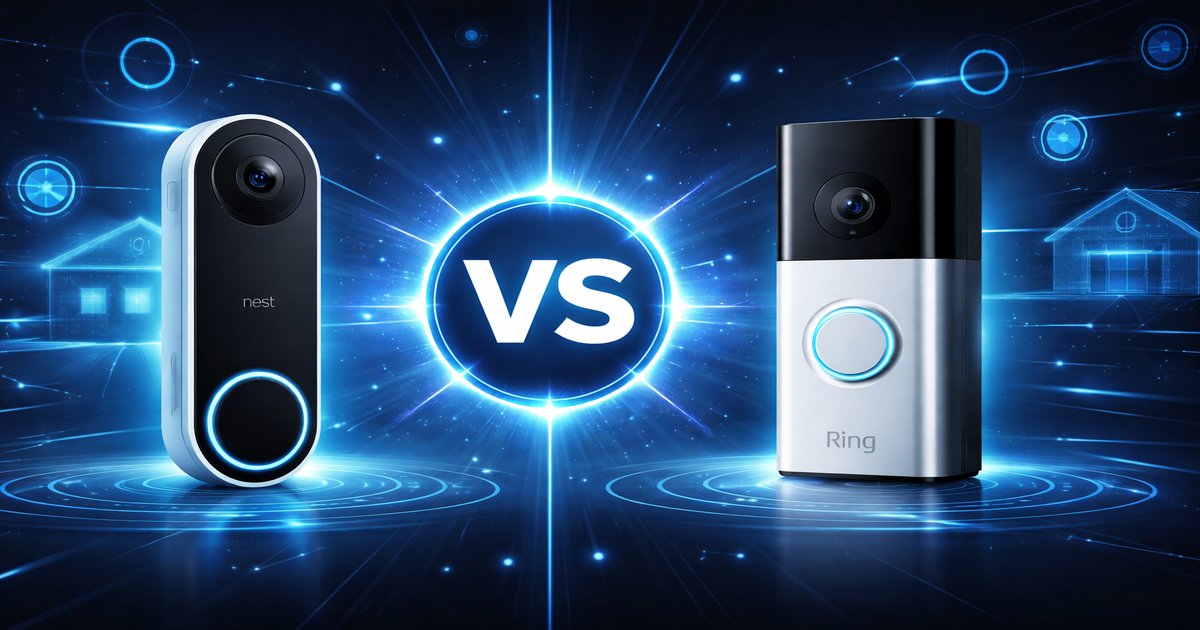
You’ve finally decided to step up your home security game, but the choice between Nest and Ring is tougher than choosing between leg day and cardio. Both offer features that promise peace of mind, but which one really delivers when it counts?
| Feature | Nest | Ring |
|---|---|---|
| Video Quality | 1080p HD | 1080p HD |
| Field of View | 130° | 160° |
| Two-Way Audio | ✓ | ✓ |
| Smart Home Integration | Google Assistant | Alexa |
| Subscription Required for History | ✓ | ✓ |
| Battery Option | ✗ | ✓ |
| Price Range | $129 – $229 | $99 – $249 |
✅ nest Pros
- Seamless integration with Google ecosystem.
- Excellent build quality and design.
- Reliable motion detection with fewer false alarms.
❌ nest Cons
- Limited smart home integration beyond Google Assistant.
- No battery option; must be wired.
- Subscription costs can add up over time.
✅ ring Pros
- Wider field of view covers more area.
- Flexible power options, including battery.
- Strong Alexa integration and decent third-party support.
❌ ring Cons
- Occasional false motion alerts.
- Audio quality can be inconsistent.
- Subscription model for video storage is necessary.
Performance: Video and Audio Quality
Nest and Ring both offer 1080p HD video, but there are subtle differences in performance. Nest’s video quality tends to be sharper, especially in low light, thanks to its superior night vision technology. However, Ring makes up for this with its broader field of view, capturing more of your surroundings in a single frame. When it comes to audio, Nest delivers clearer two-way communication, which is crucial if you’re using it to chat with delivery personnel or warn off potential intruders.
Build Quality and Design
Nest takes the crown for design aesthetics. Its sleek, modern look fits seamlessly with most home decors. It’s built like a tank, which is great unless you’re looking for a battery-powered option—because there isn’t one. Ring, however, offers more flexibility with its design. It’s not as stylish, but the option to have a battery-powered camera gives it an edge for renters or those who can’t commit to drilling holes for installation.
Value for Money: Subscription and Smart Features
Both Nest and Ring require subscriptions for full access to video history, which is a bit of a drag. Nest’s subscription is pricier, but its smart features, like the ability to recognize familiar faces, might justify the cost for some. Ring’s subscription is more affordable and offers decent value, especially if you already use Alexa devices. If budget is a major concern, Ring’s cheaper initial cost and flexible power options make it an attractive choice.
Both systems lock some of their best features behind paywalls. Nest’s facial recognition and Ring’s advanced motion detection are subscription-based. Also, neither works well if your Wi-Fi is spotty, so make sure your internet connection can handle the load before investing.
Our Final Verdict: Which One Should You Buy?
If you’re deeply embedded in the Google ecosystem and prioritize design and build quality, Nest is your best bet. It’s perfect for homeowners who want a reliable, wired system with top-notch motion detection. On the other hand, if flexibility and cost are more important, go for Ring. It’s ideal for renters and those who need battery-powered options, plus it integrates seamlessly with Alexa.
Can I use Nest or Ring cameras without a subscription?
Yes, but you’ll miss out on video history and some advanced features. Live streaming is still available, but recorded events require a subscription.
Are these cameras compatible with other smart home devices?
Nest works best with Google Assistant devices, while Ring integrates smoothly with Alexa. Both offer limited third-party compatibility outside their ecosystems.
How durable are these cameras for outdoor use?
Both Nest and Ring cameras are designed for outdoor use with weather-resistant features. However, always check the specific model’s specs for temperature and weather limits.
