

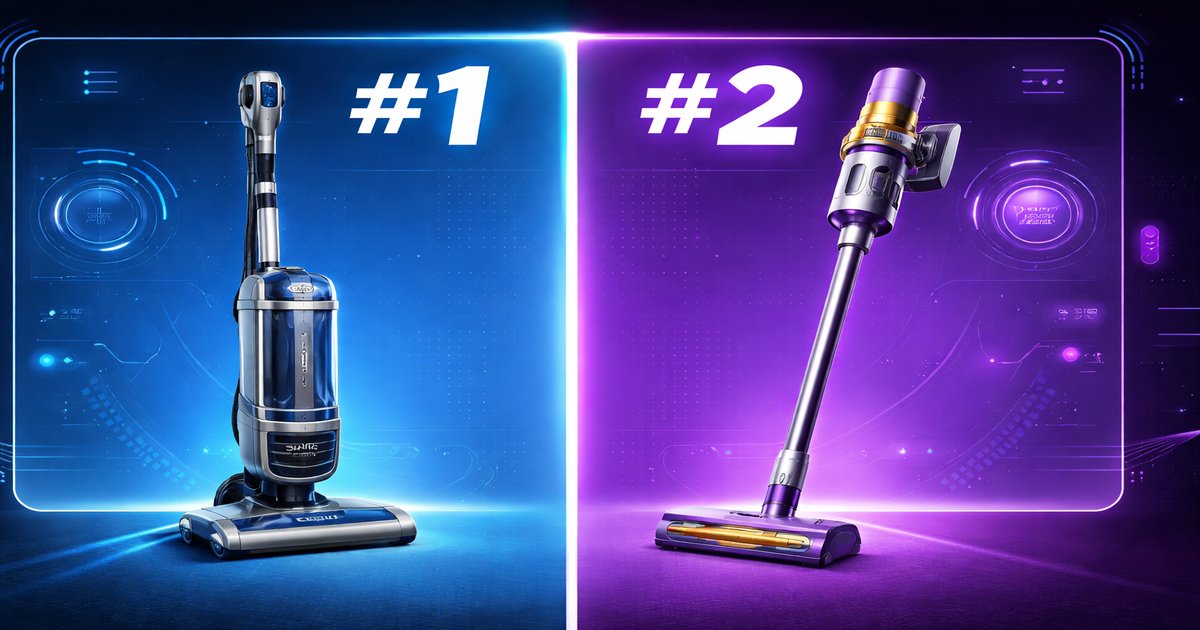
You’ve finally had enough of your old vacuum choking on pet hair and missing crumbs in the corners. You’re ready for an upgrade, but the great vacuum showdown pits two titans: Shark and Dyson. Which one will revolutionize the way you clean, and which one will end up gathering dust itself? Let’s break it down.
| Feature | Shark Vacuum | Dyson Vacuum |
|---|---|---|
| Suction Power | 250 AW | 290 AW |
| Weight | 13.7 lbs | 15.6 lbs |
| Dust Bin Capacity | 1.3 quarts | 0.5 gallons |
| HEPA Filter | ✓ | ✓ |
| Anti-Hair Wrap Technology | ✓ | ✗ |
| Battery Life (Cordless models) | 40 minutes | 60 minutes |
| Price Range | $200 – $400 | $300 – $600 |
✅ shark vacuum Pros
- More affordable across the range.
- Great for homes with pets due to anti-hair wrap technology.
- Lightweight design makes it easy to maneuver.
❌ shark vacuum Cons
- Shorter battery life in cordless models.
- Suction power slightly less than Dyson.
✅ dyson Pros
- Unmatched suction power.
- Longer battery life in cordless variants.
- Sleek, modern design with advanced technology.
❌ dyson Cons
- Significantly higher price point.
- Heavier than Shark models, which may be a problem for some users.
Performance and Suction Power
Dyson vacuums are the undisputed kings of suction power. With a robust 290 AW, they tackle everything from deep-pile carpets to hard floors with ease. If you’ve got a house full of kids or pets, you’ll appreciate the Dyson’s tenacity in pulling up every last bit of debris. Shark, while respectable at 250 AW, just doesn’t pack the same punch. However, for the average household, this difference might not be a dealbreaker unless you’re dealing with particularly challenging cleaning scenarios.
Build Quality and Design
When it comes to build quality, Dyson lives up to its reputation for engineering marvels. The design is sleek, with a futuristic appeal that looks great even when stashed in a corner. It’s built to last, which justifies its higher price tag. Shark, on the other hand, focuses on practicality. While not as visually striking, its lightweight design is a godsend when you’re lugging it up and down stairs. Both brands boast durable builds, but Dyson edges out for those who value aesthetics and a premium feel.
Value for Money
Shark vacuums offer incredible bang for your buck, especially if you snag one on sale. They’re feature-rich without breaking the bank, perfect for budget-conscious buyers who don’t want to compromise on quality. Dyson, however, is a premium product with a price to match. You pay for power and longevity. If you see a vacuum as a long-term investment, Dyson might justify the extra cost. But if you’re looking for something that gets the job done without dipping into savings, Shark is the way to go.
Both brands have their quirks. Shark’s dust bins can be tricky to empty without making a mess. Dyson’s high suction can be a double-edged sword, sometimes making it tough to push on thicker carpets. Also, Dyson’s parts can be pricey if replacements are needed down the line. Don’t overlook these details if you’re prone to vacuuming “incidents.”
Our Final Verdict: Which One Should You Buy?
If you’re a pet owner or someone who wants a reliable vacuum without a hefty price tag, Shark is your go-to. It’s practical, efficient, and doesn’t cost an arm and a leg. For tech enthusiasts or those who need a powerhouse to tackle a demanding cleaning environment, Dyson is worth the splurge. It’s for those who won’t settle for anything less than the best in performance and design.
Is the Shark vacuum good for pet hair?
Yes, Shark vacuums are particularly good for pet hair thanks to their anti-hair wrap technology, which prevents hair from tangling around the brush roll.
Do Dyson vacuums work well on thick carpets?
Absolutely, Dyson vacuums excel on thick carpets due to their high suction power, although this can sometimes make them harder to push.
How often should I replace the filters in these vacuums?
For both Shark and Dyson, it’s recommended to check and clean the filters every 3 months and replace them every 6-12 months to maintain optimal performance.
