

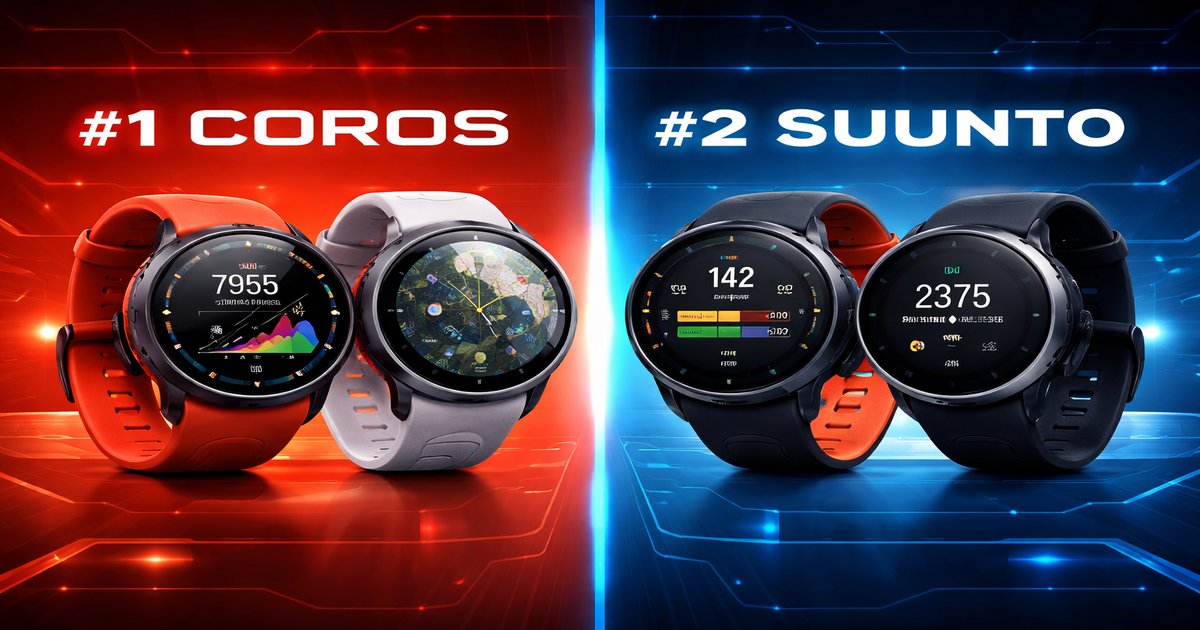
Imagine you’re standing in the heart of the wilderness, your smartwatch guiding your every step. A reliable companion on your wrist can make the difference between an exhilarating adventure and a stressful outing. Two brands that have been battling for your attention in the smartwatch realm are Coros and Suunto. Let’s see how they stack up against each other.
| Feature | Coros | Suunto |
|---|---|---|
| Battery Life | 25 days | 12 days |
| GPS Accuracy | High | Moderate |
| Water Resistance | 100m | 100m |
| Heart Rate Monitor | ✓ | ✓ |
| Price | $300 | $400 |
| App Compatibility | iOS & Android | iOS & Android |
| Weight | 72g | 82g |
✅ coros Pros
- Exceptional battery life that outlasts most competitors.
- Highly accurate GPS that ensures precision in tracking.
- More affordable price point without sacrificing key features.
❌ coros Cons
- Limited smartwatch features compared to others.
- Design might feel bulky for some users.
✅ suunto Pros
- Robust build quality suitable for extreme conditions.
- Comprehensive app ecosystem with various integrations.
- Excellent water resistance and durability.
❌ suunto Cons
- Shorter battery life compared to Coros.
- Higher price point which can be a turn-off for budget-conscious buyers.
Performance
Coros pushes ahead with its ultra-long battery life, lasting up to 25 days on a single charge. If you’re the kind of person who often forgets to charge your devices, Coros gives you peace of mind. Suunto, on the other hand, offers a respectable 12 days, which is decent but not extraordinary. When it comes to GPS accuracy, Coros again takes the lead. Whether you’re trail running or navigating city streets, it locks onto satellites quickly and maintains a strong signal. Suunto’s GPS is good, but in dense areas, it sometimes struggles.
Build Quality
Both watches boast impressive durability, but Suunto has a slight edge with its rugged construction. It’s built like a tank and can withstand harsh environments, making it ideal for extreme sports enthusiasts. Coros is no slouch either; it feels solid and reliable, though it sacrifices some aesthetics for functionality. If you’re looking for a watch that can take a beating and still look good, Suunto might be more up your alley. Coros, however, offers a lighter option, which is a blessing on long treks.
Value for Money
Coros clearly wins in the value department. At around $300, it offers features that rival more expensive models. It’s perfect for someone who wants a reliable outdoor watch without breaking the bank. Suunto, priced at about $400, offers a robust package but might only justify its cost if you’re planning to push it to the limits. Its comprehensive app ecosystem might appeal to tech-savvy users who want more than just fitness tracking.
Both watches have their quirks. Coros, while affordable, may lack some of the smartwatch capabilities you might find on a similar-priced competitor. Suunto’s app can be a little overwhelming if you’re not into the nitty-gritty of data analysis. Neither is perfect, but understanding these limitations can set realistic expectations.
Our Final Verdict: Which One Should You Buy?
If you’re an adventurer who values battery life and cost-effectiveness, Coros is your go-to. It’s perfect for hikers, trail runners, and anyone who wants reliable performance without constant charging. Suunto is for those who want a more robust build and are willing to invest in a higher price for extreme durability and extensive app features. It’s ideal for mountaineers and tech enthusiasts who love diving deep into data.
How comfortable are these watches for all-day wear?
Coros is slightly lighter, which can be more comfortable for extended wear. Suunto’s rugged build can feel bulkier, especially for those with smaller wrists.
Are these watches compatible with third-party apps?
Both watches are compatible with iOS and Android and support third-party apps, although Suunto offers a more extensive integration list.
What kind of warranty do these watches come with?
Both Coros and Suunto offer a standard one-year warranty, covering manufacturing defects. However, it’s always a good idea to check for any extended warranty options at the time of purchase.
