

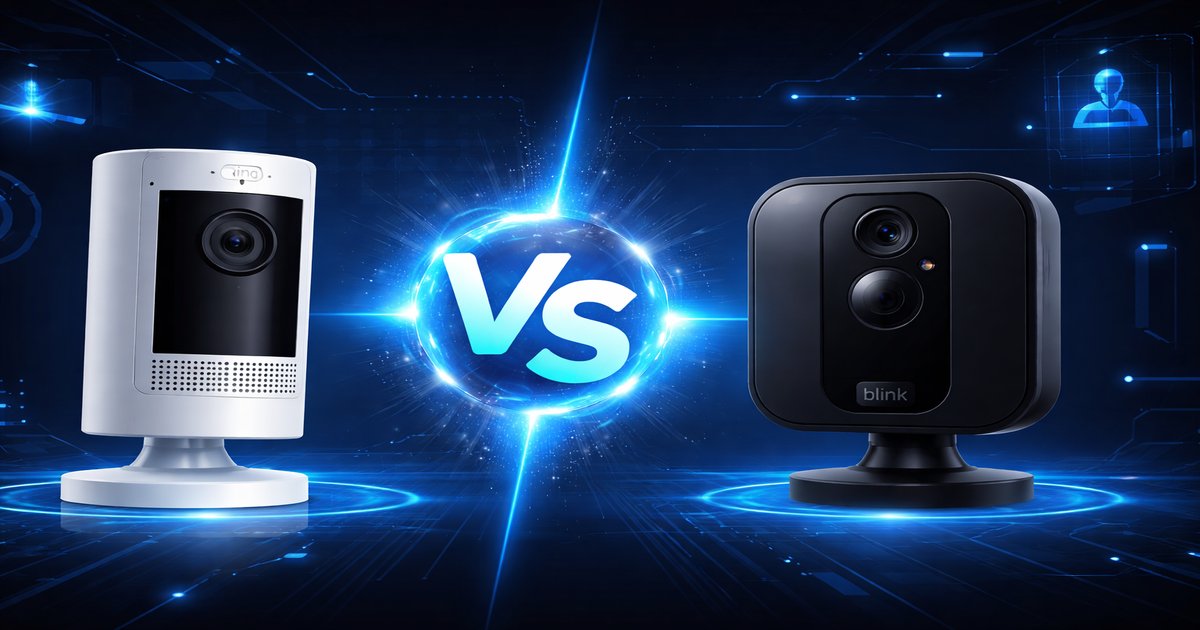
You’re looking to keep an eye on your home, but the sheer number of options makes your head spin. Whether you want to know if it’s your dog or a porch pirate triggering alerts, the Ring Camera and Blink are two well-known options. Both have their strengths, but each caters to different needs and budgets.
| Feature | Ring Camera | Blink |
|---|---|---|
| Video Quality | 1080p HD | 1080p HD |
| Field of View | 160° | 110° |
| Two-Way Audio | ✓ | ✓ |
| Battery Life | 6-12 months | Up to 2 years |
| Night Vision | Color Night Vision | Infrared Night Vision |
| Smart Home Integration | Amazon Alexa, Google Assistant | Amazon Alexa |
| Price | Higher | Lower |
✅ ring camera Pros
- Superior field of view for better coverage.
- Color night vision provides clearer images at night.
- Seamless integration with multiple smart home systems.
❌ ring camera Cons
- More expensive, especially with additional features.
- Shorter battery life compared to Blink.
✅ blink Pros
- Much longer battery life, up to two years.
- More affordable, making it budget-friendly.
- Easy setup and installation process.
❌ blink Cons
- Narrower field of view limits coverage area.
- Lacks color night vision.
Performance and Quality
Ring Camera offers a broader field of view and color night vision, which means you catch more details and see more of what’s happening in your yard, even at night. If you live in an area with frequent night activity or have a large property, Ring’s superior video capabilities could be a game-changer. Blink, while still providing 1080p HD video, limits your view to 110°, which might leave some blind spots. But let’s be real: if your home’s main concern is a small porch or entryway, Blink gets the job done without breaking the bank.
Battery Life and Convenience
Blink’s standout feature is its impressive battery life, boasting up to two years on a pair of AA lithium batteries. This means less hassle of climbing ladders for frequent replacements. If you’re forgetful or just plain lazy (no judgment here), Blink’s longevity is a huge plus. On the other hand, Ring’s 6-12 months battery life might demand more attention, especially if you’re heavy on motion alerts or two-way audio features, which drain the battery faster.
Value and Price Consideration
Ring Camera demands a premium but backs it with high-end features and integrations. If you’re already invested in a smart home ecosystem or plan to expand, the extra cost might justify itself. Blink, however, represents fantastic value for those who need basic security without the bells and whistles. It’s perfect if you want something reliable and straightforward, especially if you’re on a tight budget. Ring feels like a luxury, Blink feels like a necessity.
Both cameras have subscription models for cloud storage, which can be an unexpected cost down the line. Blink’s local storage option is a nice alternative, but it requires additional hardware. Also, neither camera is perfect in extreme weather. If you live somewhere with harsh conditions, consider investing in protective housing.
Our Final Verdict: Which One Should You Buy?
For tech enthusiasts and those who need comprehensive smart home integration, the Ring Camera is your go-to. It’s for the person who wants the best in video quality and doesn’t mind paying a premium for advanced features. If you’re budget-conscious and need something reliable with minimal maintenance, Blink is the smart choice. It’s ideal for renters or anyone new to home security, offering simplicity and efficiency for a great price.
Is the Ring Camera compatible with non-Amazon smart home systems?
Yes, Ring Camera works with both Amazon Alexa and Google Assistant, offering more versatility in smart home setups.
How easy is it to install the Blink system?
Blink is designed for easy DIY installation. Most users find the setup process straightforward and quick.
How long do the batteries truly last on Blink?
While Blink advertises up to two years, this can vary with usage. High motion detection settings and frequent live view use can reduce battery life.
