

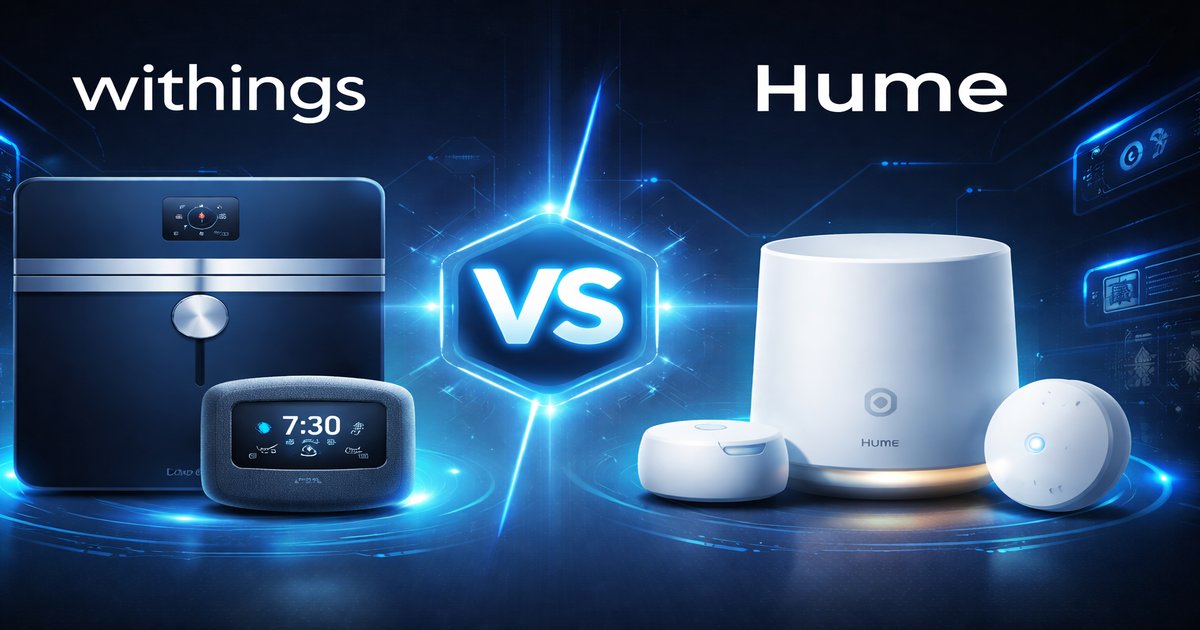
Imagine gearing up for your next fitness challenge, and you’re stuck deciding between the sleek design of the Withings or the innovative features of the Hume. Both promise to elevate your health tracking game, but which one truly delivers the goods you’re after?
| Feature | Withings | Hume |
|---|---|---|
| Heart Rate Monitoring | ✓ | ✓ |
| Sleep Tracking | ✓ | ✓ |
| Battery Life | 30 days | 10 days |
| Water Resistance | 5 ATM | IP68 |
| Price Range | $129 – $199 | $99 – $149 |
| Mobile App Compatibility | ✓ | ✓ |
✅ Withings Pros
- Unmatched battery life, lasting up to 30 days on a single charge.
- Offers detailed health insights through a robust app interface.
- High water resistance suitable for swimming and showering.
❌ Withings Cons
- Price is on the higher end of the spectrum.
- Design is somewhat bulky, not the most comfortable for all-day wear.
✅ Hume Pros
- More affordable, offering solid features without breaking the bank.
- Lightweight and comfortable for continuous wear.
- IP68 rating provides adequate protection against dust and water.
❌ Hume Cons
- Battery life could be better, requiring frequent recharges.
- App interface is less intuitive and can be cumbersome for new users.
Performance and Accuracy
Withings takes the crown when it comes to performance, especially in terms of battery life. If you’re someone who hates charging devices frequently, the Withings is your go-to, with its impressive 30-day lifespan. Its sensors are highly accurate, making it a reliable companion for serious fitness enthusiasts who need precise data. Meanwhile, Hume offers decent performance, but you’ll find yourself reaching for the charger more often, which can be a hassle during long trips or if you have a hectic schedule. Hume’s sensors do the job but aren’t as refined, which might compromise accuracy slightly.
Build Quality and Design
The Withings is robust and feels premium, thanks to its stainless steel casing and solid build quality that’s built to last, even during the roughest workouts. However, its size might not be for everyone—it’s a bit chunky, which could be a dealbreaker if you prefer something more discreet. On the flip side, Hume shines with a slim, lightweight design that’s incredibly comfortable for all-day wear. It’s perfect if you prioritize comfort and style, but you may have to be more careful with it, as it doesn’t feel as durable as the Withings.
Value for Money
Withings is a hefty investment, but you’re paying for longevity and a comprehensive suite of health tracking features. It’s a solid choice if you’re looking for a long-term health companion. Hume, however, offers excellent value for those who want a competent fitness tracker without the hefty price tag. It covers the basics well enough to satisfy most casual users, and its affordability makes it a great starter device if you’re new to health tracking.
Both devices have their quirks. Withings’ app, though comprehensive, can be overwhelming with its plethora of features, which might not be practical for less tech-savvy users. Hume, while budget-friendly, sometimes struggles with syncing issues that can be frustrating if you’re trying to maintain consistent records.
Our Final Verdict: Which One Should You Buy?
If you’re a dedicated athlete or a health enthusiast who doesn’t mind spending extra for premium features and unmatched battery life, Withings is your best bet. It’s designed for those who take their health metrics seriously. However, if you’re just dipping your toes into the world of fitness tracking and want something affordable yet effective, Hume offers excellent value without skimping on essential features. It’s ideal for casual users and beginners.
Is the Withings compatible with all smartphones?
Yes, Withings is compatible with both iOS and Android devices, ensuring seamless integration with most smartphones.
How comfortable is the Hume for all-day wear?
The Hume is designed to be lightweight and comfortable, making it suitable for continuous wear throughout the day.
What is the expected lifespan of these devices?
Withings, with its robust build, can last several years with proper care, while Hume should serve you well for a couple of years, though its longevity might be slightly less due to its lighter materials.
