

In a world where technology continually reshapes our experiences, the allure of the piano remains timeless-a delicate dance of hammers striking strings, producing rich tones that resonate deep within the soul. Yet, as electronic pianos grow increasingly sophisticated, a question emerges: can these digital instruments truly capture the nuanced sound and tactile sensation of an acoustic piano? This exploration delves into the intricacies of sound replication, key responsiveness, and emotional connection, inviting readers to consider whether the electronic piano is a faithful echo or merely a modern mimicry of its classical predecessor.
Exploring the Nuances of Sound Authenticity in Electronic Pianos
Delving into the realm where digital meets tradition, the authenticity of sound in electronic pianos hinges on a delicate balance of technology and artistry. Modern instruments employ sophisticated sampling techniques and sophisticated modeling to imitate the harmonic richness and dynamic response of acoustic pianos; however, several factors influence the perception of authenticity. Key elements such as hammer action, string resonance, and pedal behavior often separate an electronic piano’s voice from a genuine concert grand. Consider these subtle aspects that shape the listening and playing experience:
- Hammer Action Sensitivity: Mimics the tactile feedback of real hammers striking strings, adding crucial nuance to touch.
- Sympathetic String Resonance: Replicates the natural vibrations caused by undamped strings, enriching tonal complexity.
- Pedal Interaction: Sustains and blends notes with authentic decay and resonance characteristics.
The table below contrasts these sonic features between high-end electronic pianos and traditional acoustic counterparts, revealing how close technology can get to nature’s original voice.
| Feature | Acoustic Piano | High-End Electronic Piano |
|---|---|---|
| Dynamic Range | Extensive, organic depth | Wide, digitally enhanced |
| Harmonic Overtones | Complex, evolving naturally | Carefully sampled or modeled |
| Pedal Response | Fluid, nuanced decay | Advanced, but often simplified |
| Touch Sensitivity | Variable by key weight and condition | Engineered for consistency and realism |
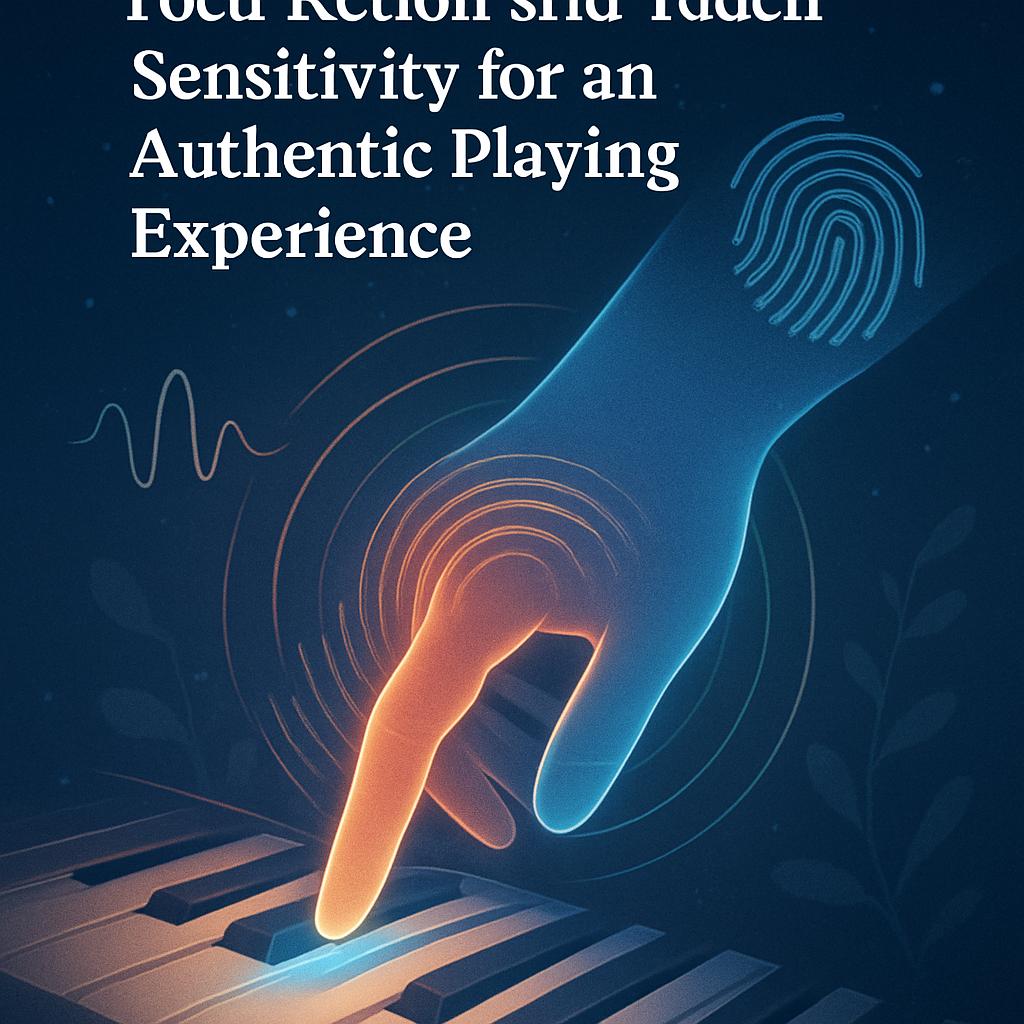
Evaluating Key Action and Touch Sensitivity for an Authentic Playing Experience
When assessing an electronic piano’s ability to emulate a traditional instrument, the nuances of key action and touch sensitivity play a pivotal role. Authenticity stems not just from sound replication but from the tactile feedback beneath the fingers. Many advanced models incorporate graded hammer action, simulating the heavier feel of lower keys and the lighter touch of higher ones, closely mimicking an acoustic piano’s mechanics. Additionally, responsiveness to velocity and aftertouch enhances expressiveness, allowing dynamic control from soft pianissimos to thunderous fortissimos. Consider these essential features:
- Weighted Keys: Replicate the resistance and subtle weight differences found in traditional pianos
- Velocity Sensitivity: Captures variations in key strike intensity for nuanced dynamics
- Escapement Mechanism Simulation: Provides the subtle ‘click’ sensation experienced with high-quality grand pianos
| Key Feature | Electronic Piano Approximation | Acoustic Piano Effect |
|---|---|---|
| Hammer Weight | Graded weighted keys | Progressive heaviness from high to low keys |
| Touch Response | Velocity & aftertouch sensors | Dynamic control via finger pressure |
| Mechanical Feedback | Simulated escapement click | Physical escapement mechanism feel |
To Conclude
In the end, the question of whether an electronic piano can truly capture the sound and touch of a real piano remains as much about personal perception as it is about technology. While advancements have brought digital instruments astonishingly close to their acoustic counterparts, each note played carries nuances shaped by tradition, craftsmanship, and the unique resonance of wood and wire. Whether you seek the convenience and versatility of an electronic piano or the organic depth of a grand, the music ultimately lives within the fingers and heart of the player-bridging the gap between keys, strings, and circuits in harmonious possibility.
