

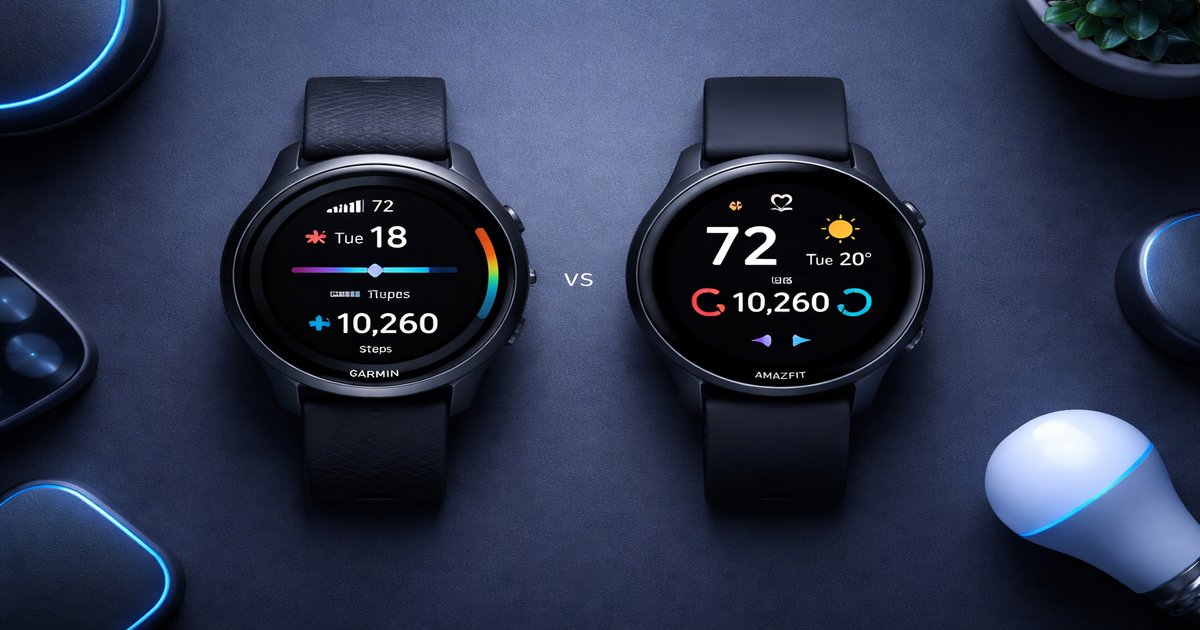
Choosing between Garmin and Amazfit is like deciding between a luxury SUV and a zippy hatchback. If you’re into metrics and precision, Garmin might be calling your name. But if you’re looking for affordability without sacrificing too much on features, Amazfit deserves a spot on your wrist. Let’s dig into the details and see which one suits your lifestyle best.
| Feature | Garmin | Amazfit |
|---|---|---|
| GPS Accuracy | High | Moderate |
| Battery Life | Up to 14 days | Up to 21 days |
| Price Range | $300 – $900 | $70 – $200 |
| Heart Rate Monitoring | ✓ | ✓ |
| Third-Party App Support | ✓ | ✗ |
| Water Resistance | 50 meters | 50 meters |
✅ garmin Pros
- Top-notch GPS accuracy for outdoor activities.
- Robust build quality that can withstand tough conditions.
- Comprehensive fitness and health tracking features.
❌ garmin Cons
- Higher price point that might not fit every budget.
- Complex interface can be overwhelming for beginners.
✅ amazfit Pros
- Exceptional battery life, perfect for long adventures.
- Affordable pricing with ample features.
- Sleek and lightweight design.
❌ amazfit Cons
- GPS accuracy is not as precise as Garmin.
- Limited third-party app support.
Performance
When it comes to performance, Garmin is the clear front-runner for data junkies and serious athletes. Its GPS accuracy is unmatched, making it ideal for tracking your runs or hikes with precision. If you’re training for a marathon or a triathlon, you need that kind of reliability. Amazfit, on the other hand, offers decent performance for the average user. It’s enough for casual workouts and general fitness tracking but falls short if you’re chasing personal bests in the great outdoors.
Build Quality
Garmin’s build quality is like a tank in the world of fitness trackers. You can take it through rain, mud, and sweat, and it’ll keep ticking. This makes Garmin a solid choice for those who are rough on their gear or spend a lot of time in challenging environments. Amazfit, while not as rugged, still offers a sleek design that holds up well to daily wear and tear. It’s perfect for urban environments and gym goers who appreciate a more lightweight feel.
Value for Money
Amazfit shines in the value department. For what you pay, you get a feature-rich device that covers most of the essentials. It’s a perfect match for someone who wants a smartwatch without breaking the bank. Garmin, while more expensive, justifies its price with premium features and build quality. If you’re serious about your fitness journey and need all the bells and whistles, Garmin offers better long-term value despite the higher upfront cost.
Garmin’s complexity can be a turn-off if you’re not tech-savvy. The myriad of features, while impressive, can be daunting to navigate. Amazfit, while affordable, might leave you wishing for more app integrations. These are things that don’t always make it into the glossy ads or top-line reviews.
Our Final Verdict: Which One Should You Buy?
If you’re a hardcore athlete or someone who thrives on data analytics, Garmin is your go-to. It offers precision and durability that serious fitness enthusiasts will appreciate. However, if you’re just starting on your fitness journey or want something that offers decent features at a budget-friendly price, Amazfit is a no-brainer. It’s perfect for everyday fitness tracking without making your wallet cry.
Is Garmin compatible with iOS and Android?
Yes, Garmin watches are compatible with both iOS and Android devices, offering seamless integration with the Garmin Connect app.
How long does the Amazfit battery last under heavy usage?
Even under heavy usage, Amazfit can last up to 10 days, making it an excellent choice for those who dislike frequent charging.
Are there any subscription fees for Garmin’s features?
Most of Garmin’s features are available without a subscription, but some advanced analytics might require a Garmin Connect subscription.
